
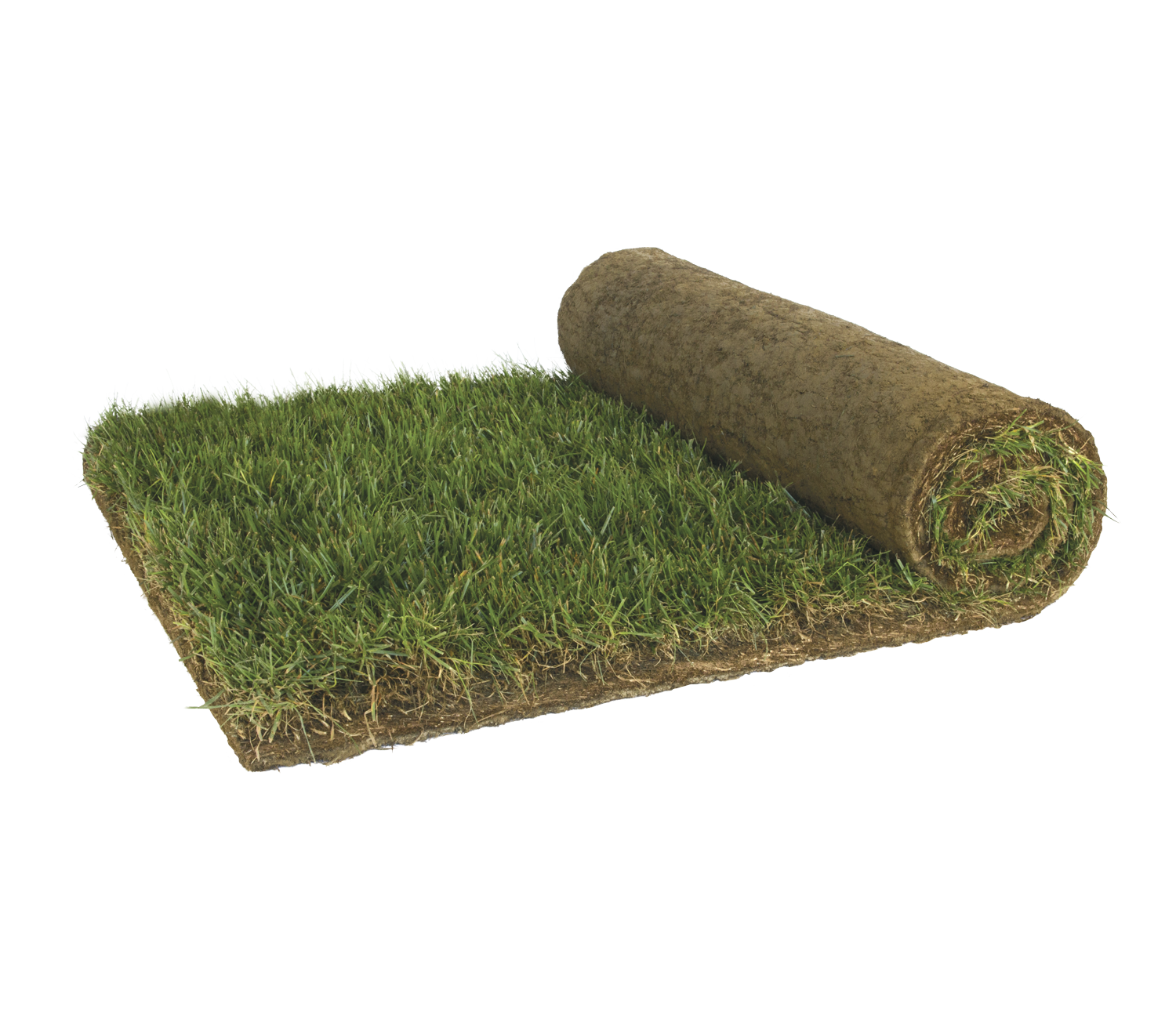
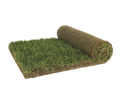
Shaded
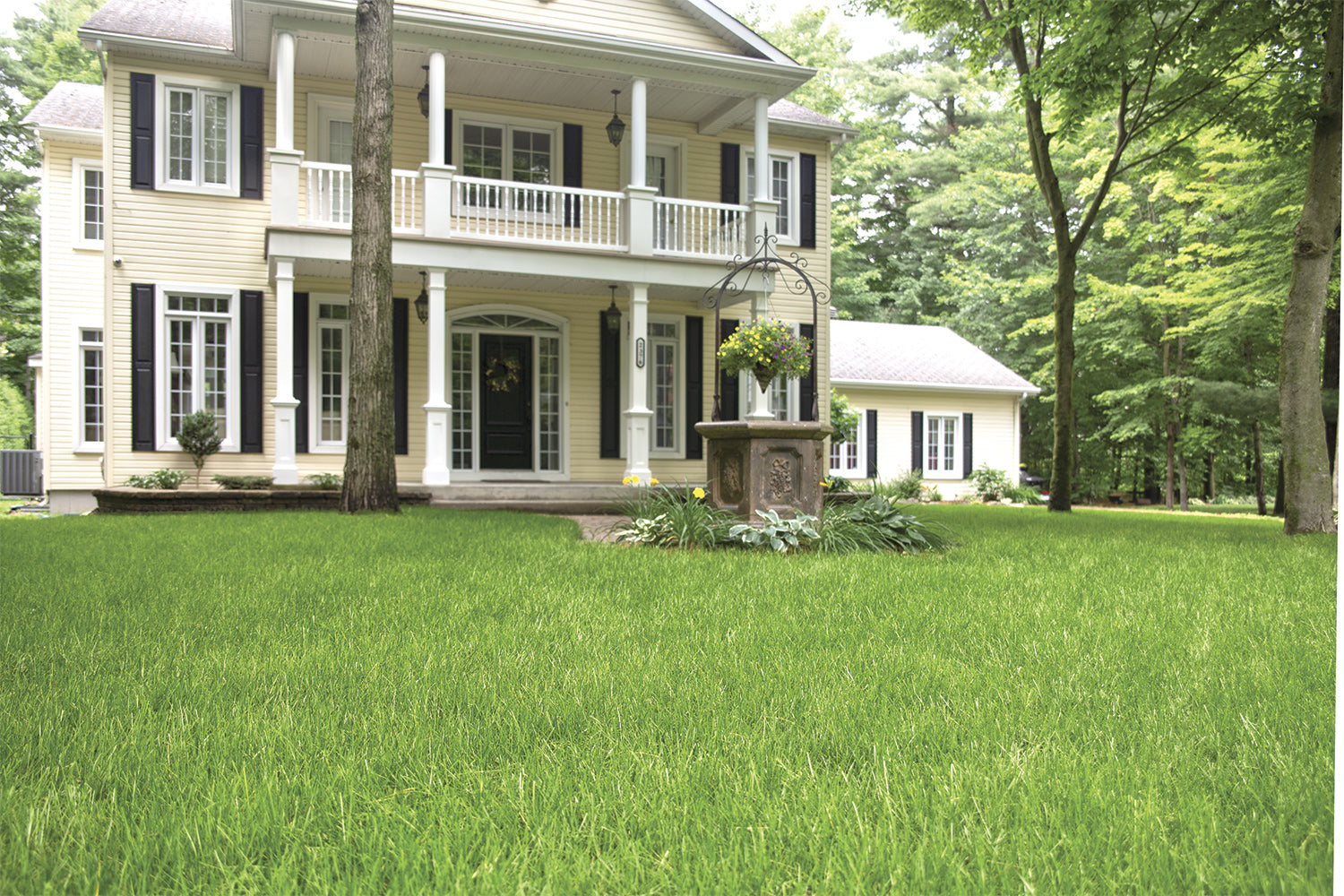
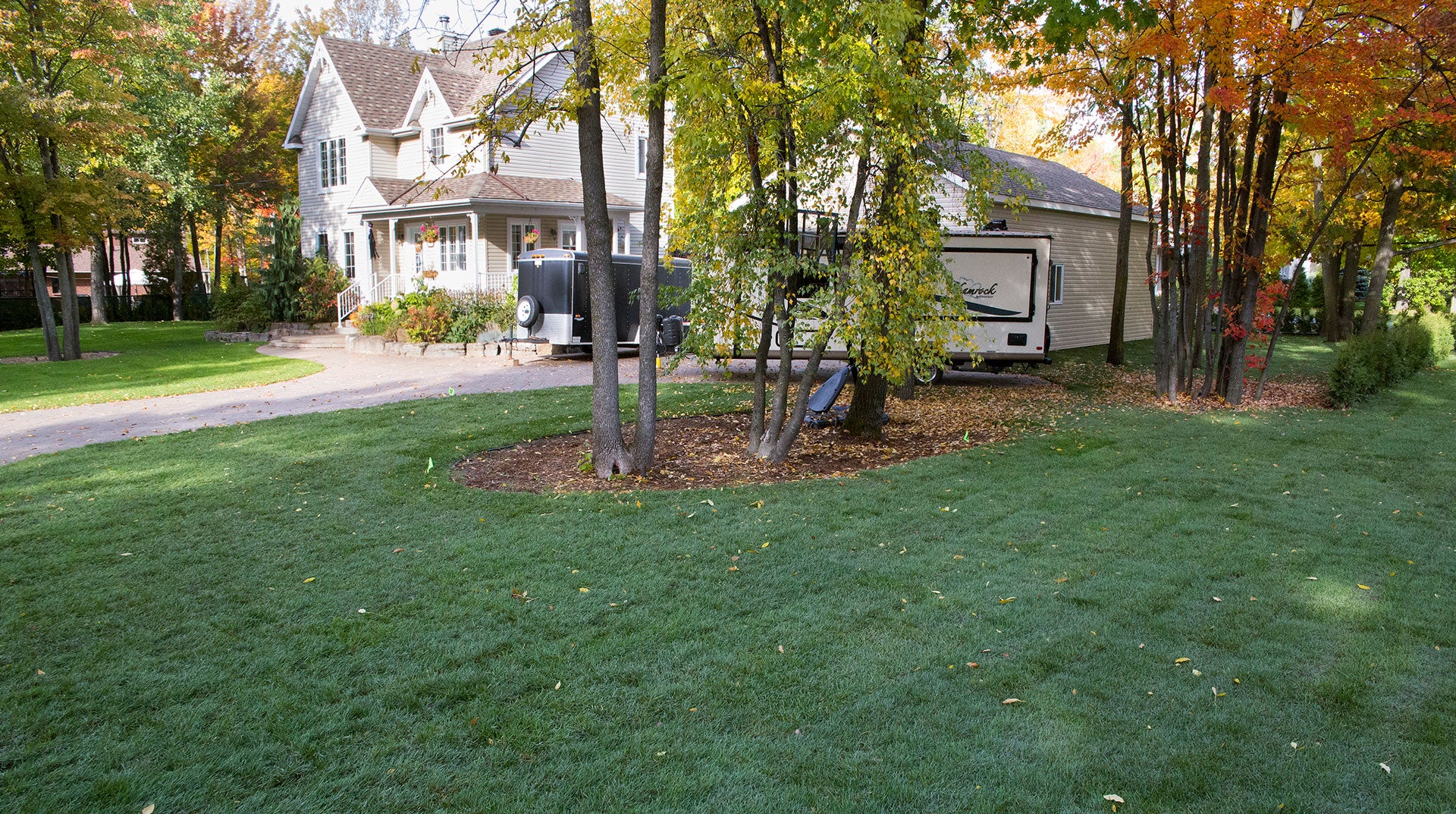
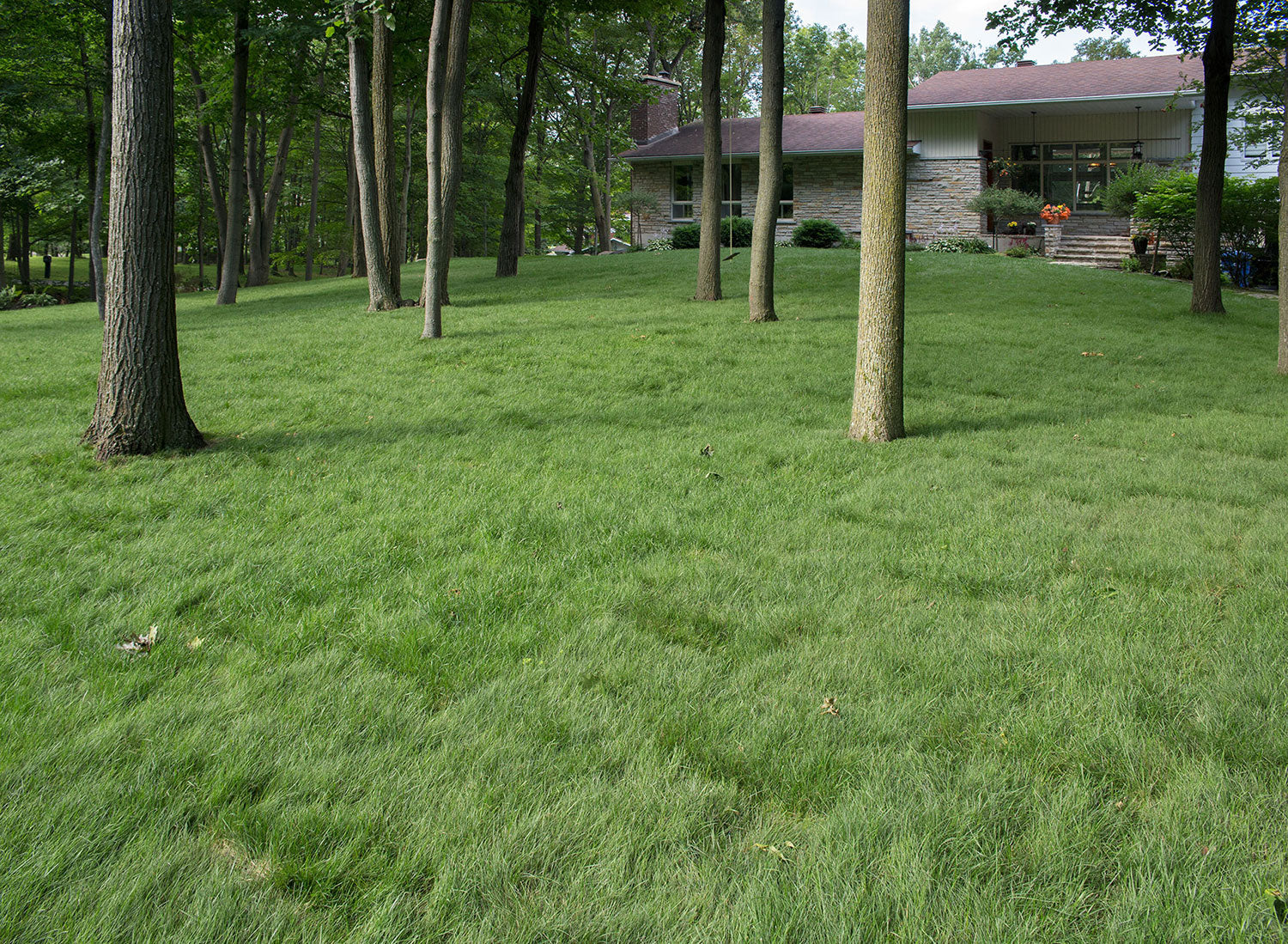
The shaded is composed of a blend of different cultivars of fine fescue and Kentucky bluegrass selected for increased tolerance to partial shade. To maintain its quality, sunshine for at least 4 hours per day is recommended. In addition, this certified «Water Saving» grass stays green longer in case of drought, thus reducing water waste.
How to choose the right variety? Watch our interactive video .
 Product Specifications
| Weight | 30 lb |
|---|---|
| Dimensions | 2 ft x 5 ft (10 ft2) |
| Per Pallet | 74 rolls (740 ft2) |
 Technical Sheet
 How to Choose the Right Variety?
 Installation and Maintenance Tips
 Watering Tips
🧮 Sod Rolls Calculator
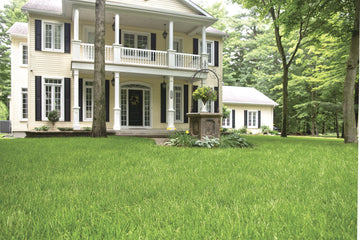
Shaded
Water conservation
Grass adapted to climate change!
Thanks to our TWCA and/or A-List certified seeds, nine of our Richer Turf varieties will maintain their green color longer even in drought, requiring up to 50% less water, unlike most varieties from other turf producers.
- More eco-friendly & environmentally friendly
- Protects water resources
- Stays green longer in times of drought, even without irrigation
- It acts more effectively against urban heat islands.

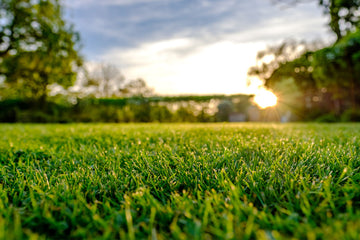
Sustainable lawn
For a sustainable lawn
An eco-friendly lawn also requires a sufficient quantity of high-quality topsoil, no compaction, a higher mowing height, judicious fertilization, grasscycling, and increased tolerance to dormancy and weeds. For more information, consult the BNQ planting standards and the "Sustainable Lawn" website (created by the Quebec Turf Producers Association).
Biodiversity and benefits of grass
The benefits
Trees, shrubs, perennials, and grassy areas each contribute in their own way to increasing the biodiversity of our living environments. The grass species found in our lawns are essentially the same as those found in natural meadows. These environments promote healthy soils by increasing their organic matter content and reducing the risks of compaction, erosion, and runoff. They act as highly effective sponges during heavy rainfall and provide habitat for numerous microorganisms, insects, and animals, in addition to being considered excellent carbon sinks.
A lawn that is kept longer and/or composed of multiple species will have an even more positive impact on the environment. Furthermore, pest infestations, disease incidence, and the impact of climate stress will be reduced in a more biodiverse environment. The presence of flowers will attract pollinating insects, which are essential for life. A rich ecosystem also promotes resilience to extreme weather events, such as flooding. Finally, lawns act as natural air conditioners by keeping the air cool, contribute to water conservation, help control invasive species, and reduce habitat fragmentation. Click here to learn more about the benefits of a sustainable lawn.
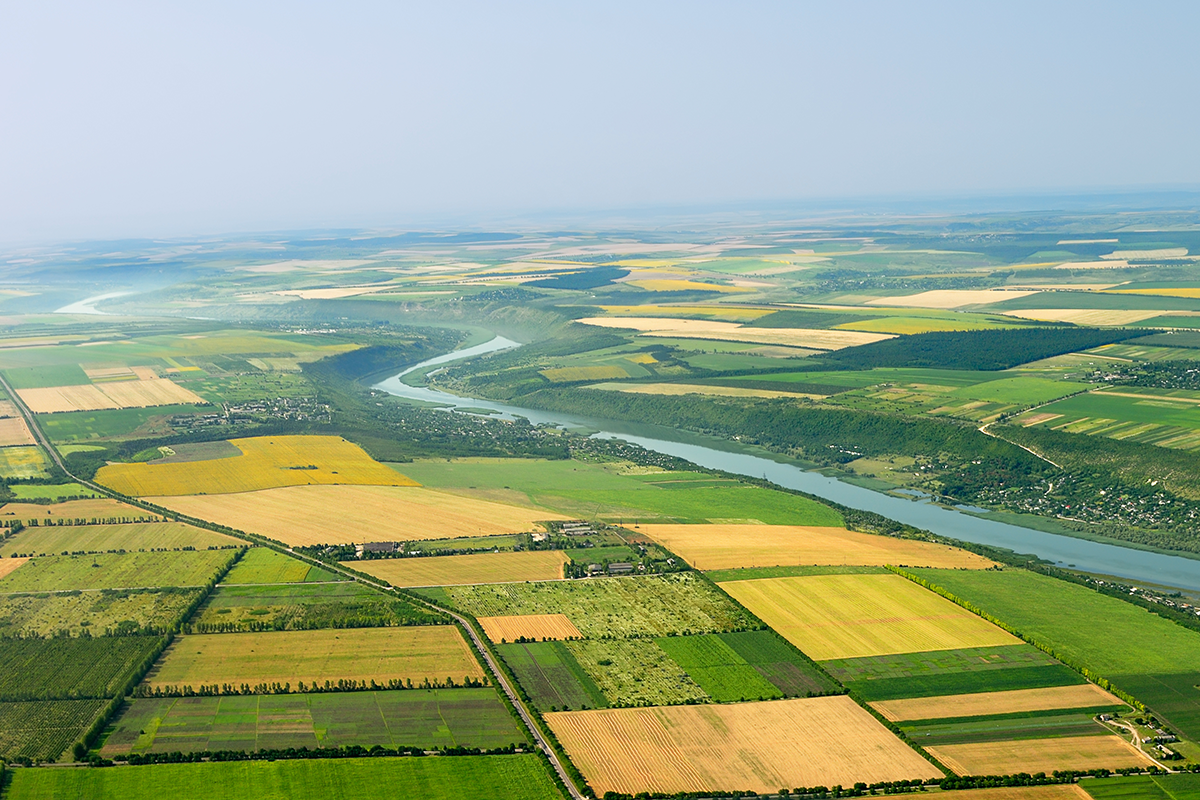
The fight against climate change
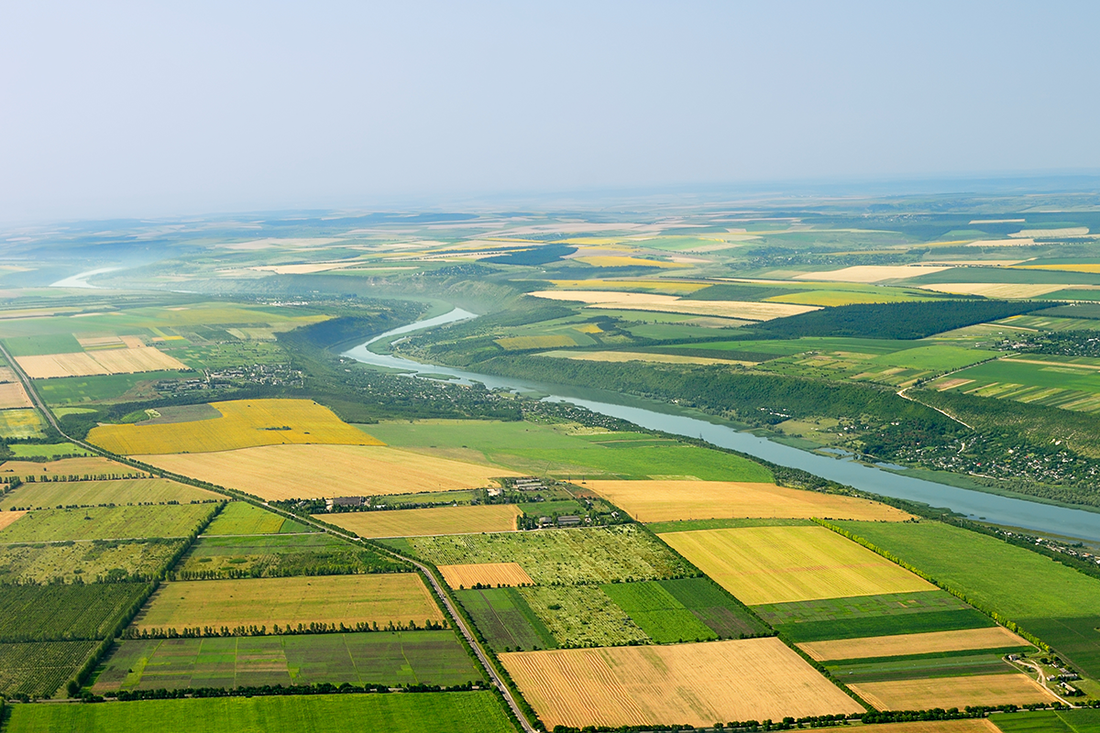
Many scientists agree that regenerative agriculture is one of the solutions to combat climate change. At Groupe Richer, for the past ten years, our agronomic team has been adopting new, more eco-responsible farming methods aimed, among other things, at capturing carbon from the air and storing it in our soils.
FAQ
Can I have a submission?
You can get your price directly on the website. Simply choose your variety and area, answer the questions, and enter your delivery or pickup information. Please note that prices are generally better online than over the phone, so we encourage you to order directly through the website.
Can I get some help choosing the right variety?
To help you choose the best grass for your lawn, we've created an interactive video. Alternatively, you can refer to this explanatory document which summarizes the topic!
Are you preparing the ground?
We do not offer a turnkey landscaping service. Soil is not included in the order, but you can find it in bulk or in bags on our website.
We do not offer leveling services or sod removal; you must prepare your site yourself or hire a professional to do it. To help you prepare, we encourage you to consult this guide. Alternatively, feel free to contact us for references.
Do you do the installation?
We offer installation services! Simply fill out the form when you choose your turf to get a price quote. For more information about installation, click here!
When will I receive my turf order?
Our goal is to deliver as quickly as possible, either on your chosen date or 48 hours after your web order and according to your time slot (AM or PM).
Do you deliver to my home?
We deliver to the Outaouais, Montérégie, Greater Montreal, Laval, the South Shore and North Shore of Montreal, the Eastern Townships, the Laurentians, Lanaudière, Mauricie, Central Quebec, Quebec City and more! Enter your postal code here to confirm your delivery area.
When is the ideal time to install turf?
Any time between May and December is ideal for laying turf. However, be aware that heat waves can cause problems, particularly with watering. Therefore, the best periods are: May, June, September, October, November, and December.
Facility
How to install your turf rolls?
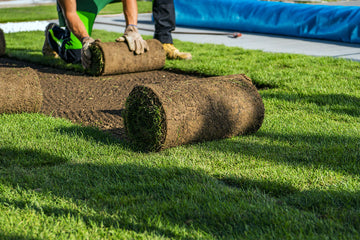
Sod rolls can be installed in spring, summer, or autumn in well-prepared soil. However, avoid periods of extreme heat, not only because of the high temperatures but also because of any watering restrictions that may be in place. The key is to maintain good soil moisture to ensure rapid and effective root development.
Once received, the rolled turf must be installed within hours of delivery . It will then need a resting period of approximately three weeks , after which you can use your lawn normally, without risk of damaging it.